
Most people assume their health plan covers preventive care. And technically, yes, many do. But the real question is how well it’s covered, how accessible it is, and whether employees actually use it. That’s where preventative care management comes into the conversation, and honestly, it changes everything when it’s done right.
A basic managed care plan might check the box. But a structured system that actively guides employees toward care? That’s a different level altogether.
What Preventive Care Actually Means (Beyond the Basics)
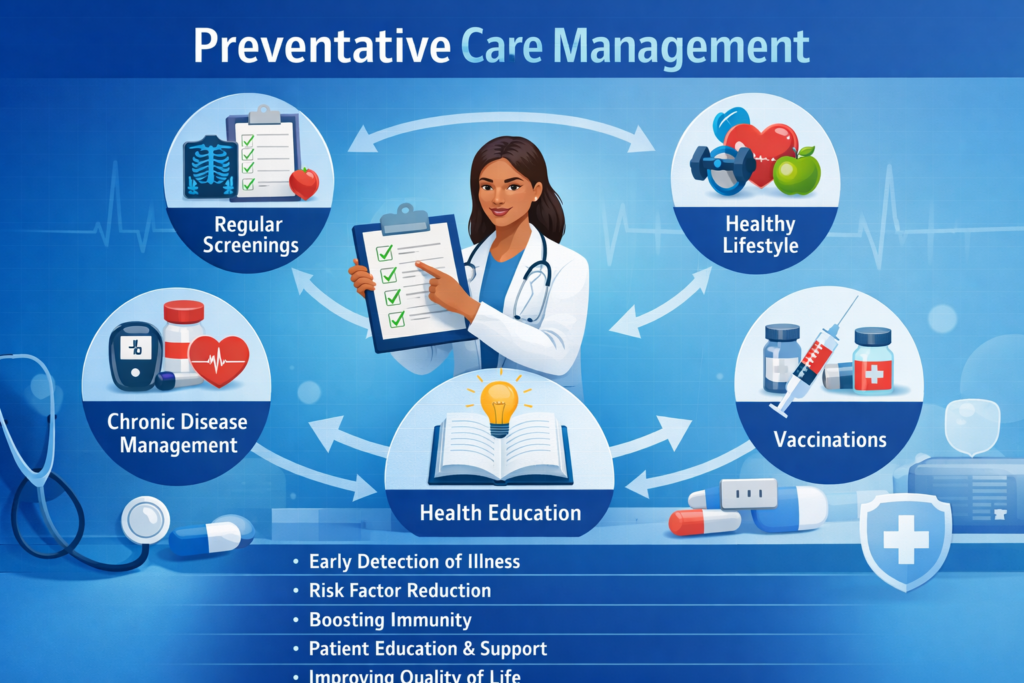
Preventive care isn’t just annual checkups. It’s everything that helps people stay ahead of serious health issues before they spiral into expensive problems. Screenings, early diagnostics, mental health support, lifestyle coaching—it all falls under this umbrella.
But here’s the issue. Most traditional plans are reactive. They wait until something goes wrong. Even when preventive services are technically included, employees don’t always use them because access feels confusing or time-consuming. That’s why preventative care management services matter. They don’t just offer care. They guide employees to actually use it.
Where Managed Care Plans Fall Short
A standard managed care plan might include preventive benefits, but it often lacks structure. No reminders. No coordination. No real follow-through.
So what happens?
- Employees skip appointments
- Small issues turn into bigger claims
- Healthcare costs quietly rise over time
This is where employers start feeling the pressure. And employees? They’re left navigating a system that doesn’t really support them. That gap is exactly what a modern preventative care management approach is built to fix.
The Shift Toward Smarter Preventive Care
Instead of just offering coverage, newer models focus on engagement. They make preventive care simple, accessible, and actually used.
This is where Elevate Benefits’ Elevate+ plan stands out. It doesn’t replace traditional systems. It builds on them by leveraging the section 125 IRS code along with a fully managed Preventative Care Management Plan (PCMP) and a Self Insured Medical Reimbursement Plan (SIMRP).
That combination creates something much stronger than a typical plan. It’s not about adding more benefits. It’s about making the existing ones work better.
What Elevate+ Actually Delivers
With Elevate+, preventive care isn’t passive. It’s built into how employees experience their benefits every day.
Here’s what that looks like in real terms:
For Employees
- $0 copay telemedicine and virtual care, available anytime
- Mental health and counseling support, not buried behind barriers
- Family coverage, including spouse and dependents
- Access to Mayo Clinic programs and health tools
- RX coverage with no copays, which removes hesitation around medication
- In-person urgent care options without extra financial stress
And here’s the part people notice fast. Employees typically see a 3–4% increase in their net paycheck, which is roughly $100/month. That’s real money, not theoretical savings.
For Employers
- Around $600 savings per W2 employee annually
- No out-of-pocket implementation costs
- Reduced claims over time (around $1,400 savings over three years)
- A fully automated rollout in 30–45 days
- Better retention and stronger workplace satisfaction
More than anything, it creates a culture where people actually feel supported. Not just covered.
Why Preventive Care Needs Structure
Offering preventive care isn’t enough anymore. Without structure, it gets ignored.
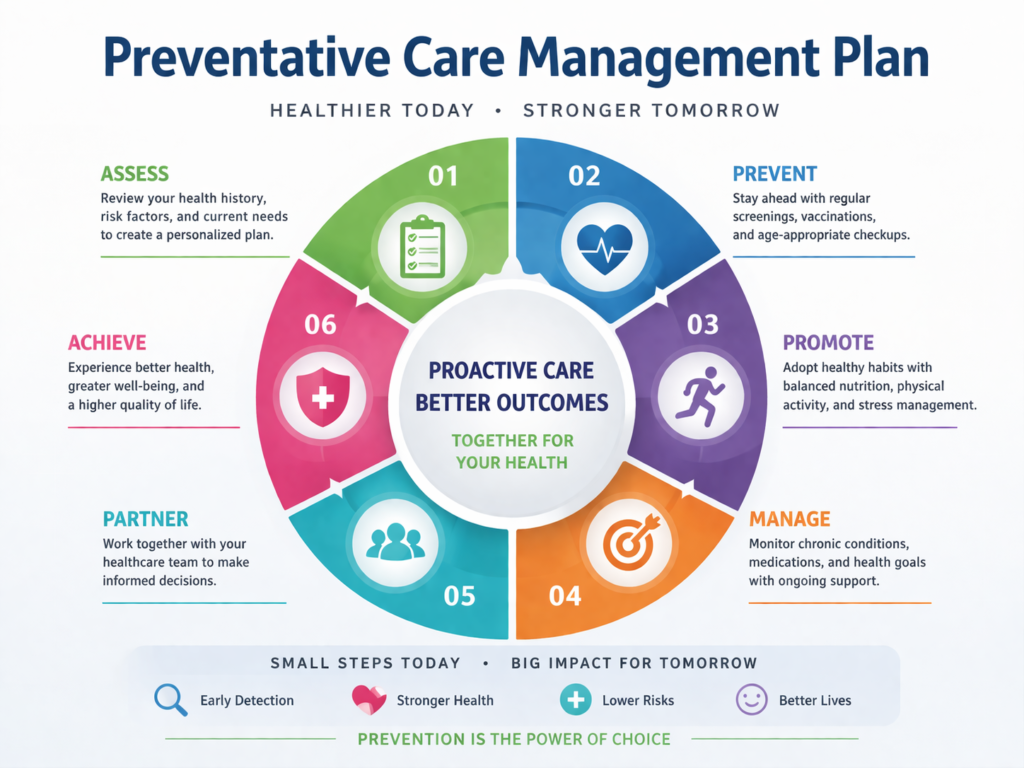
That’s why a preventative care management program is critical. It connects the dots between coverage and usage. It ensures employees don’t just have access—they actually take action.
And when employees engage with their health early, everything changes:
- Fewer long-term health issues
- Lower claims costs
- Better productivity
- Less burnout
It’s not complicated. It just requires a system that works consistently.
The Role of Compliance and Simplicity
A lot of employers hesitate when they hear terms like compliance or tax code. But the reality is, when done correctly, these plans are straightforward.
Elevate+ leverages the Section 125 of the IRS code to create pre-tax advantages while staying fully compliant. That means employees benefit from tax-efficient structures, and employers reduce payroll tax burdens without adding complexity. Everything is managed. Everything is automated. No guesswork.
Why Employees Actually Use These Plans
This is the part most employers overlook. A benefit only matters if people use it.
When care is:
- Easy to access
- Clearly explained
- Financially stress-free
People engage. They book appointments. They follow through. They take their health seriously. That’s what an attentive preventative care management program does. It removes friction. And when friction disappears, participation goes up.
The Bigger Picture: Building a Healthier Workforce
At the end of the day, this isn’t just about benefits. It’s about building a workplace that works for people.
When employees feel supported:
- They stay longer
- They perform better
- They trust leadership more
And when employers don’t have to spend more to make that happen, it becomes a smart business move, not just a nice-to-have.
That’s why more companies are moving toward solutions like Elevate+.
Conclusion
So, does a managed care plan cover preventive care? Yes. But coverage alone isn’t enough. What matters is how that care is delivered, supported, and actually used. That’s where a strong preventative care management approach changes the game.
Solutions like Elevate+ go beyond traditional models by combining tax advantages, structured care, and real employee benefits into one system. An attentive preventative care management program ensures employees don’t just have access to care; they actually use it.
And when that happens, both employees and employers win. It’s that simple.
FAQs
1. Does a managed care plan include preventive care?
The majority of managed care plans provide their members with access to preventive healthcare services, which include both screenings and yearly medical examinations. The plan design determines which benefits members will be able to access and use throughout their time with the plan. Employees require proper guidance, together with engagement systems, to achieve their maximum potential for using these benefits.
2. What is a preventative care management program?
A preventative care management program is a structured system designed to help employees actively use preventive health services. The system provides people with tools that support their health needs through its reminder system and its medical access system, which helps them maintain continuous health management.
3. How does preventive care reduce healthcare costs?
Preventive care helps identify health issues early before they become serious and expensive to treat. Employers who promote regular checkups together with early treatment create lower long-term claims costs because employees will not require expensive medical procedures, which include hospital stays and extended recovery times.
4. Why is preventive care important for employees?
Preventive care helps employees maintain better overall health, reduce stress, and avoid unexpected medical issues. When employees receive workplace support together with accessible medical care, they will deliver higher productivity levels while taking fewer sick days, which creates a healthier working environment for all.